A Conqueror’s Cautionary Tale
A mostly-accurate allegory of the Aztec Empire’s fall (as told by Hernán Cortés)
After a fascinating 30 days in Mexico City, which included celebrating the holidays with the kids, we picked up our van where it was stored in Texcoco and took refuge in the mountains of Parque Nacional Iztaccíhuatl - Popocatépetl. It’s a great place to process a lot of what we’ve been experiencing here. We stayed at 12,000 feet in the saddle between two volcanoes and did our first hiking ever above that altitude. Moving down to Cholula and Puebla and eventually over to Coatepec and Veracruz to the east, we were more or less reversing the path taken by Hernán Cortés when he landed in the area of Veracruz in 1519. Cortés eventually conquered the Aztecs in the heart of what is now Mexico City two years later to create the beginnings of the vast Kingdom of New Spain. Some of the events and motivations that we’ve learned about on our journey reminded us of certain elements of modern geo-politics and served as a spark for writing a different kind of post this time.
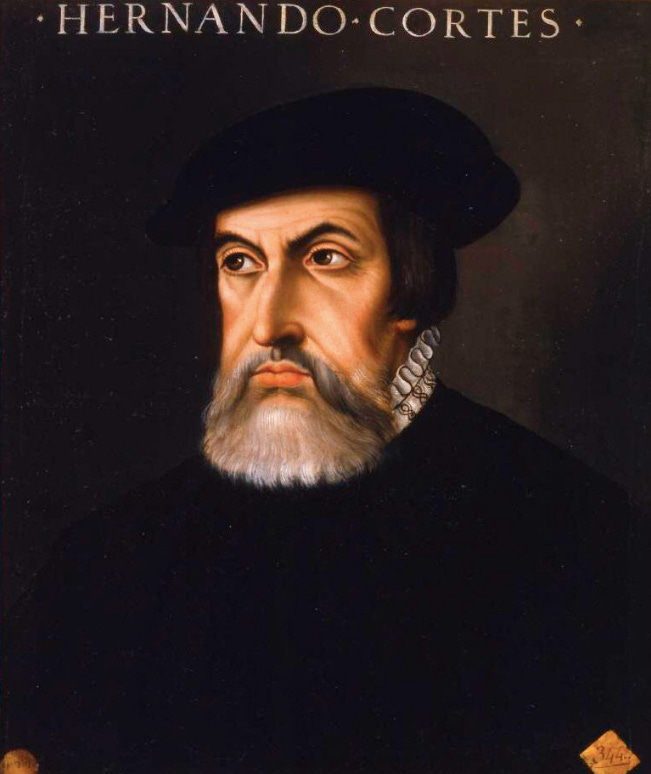
April 1519, The Landing
When I put my boots on the beach in Veracruz, the Governor of Cuba had already sent orders for my arrest. But I had moved quickly. Sometimes you must act boldly so that authority cannot catch you. By the time they realize what you’ve done, you’ve altered history and made yourself indispensable.
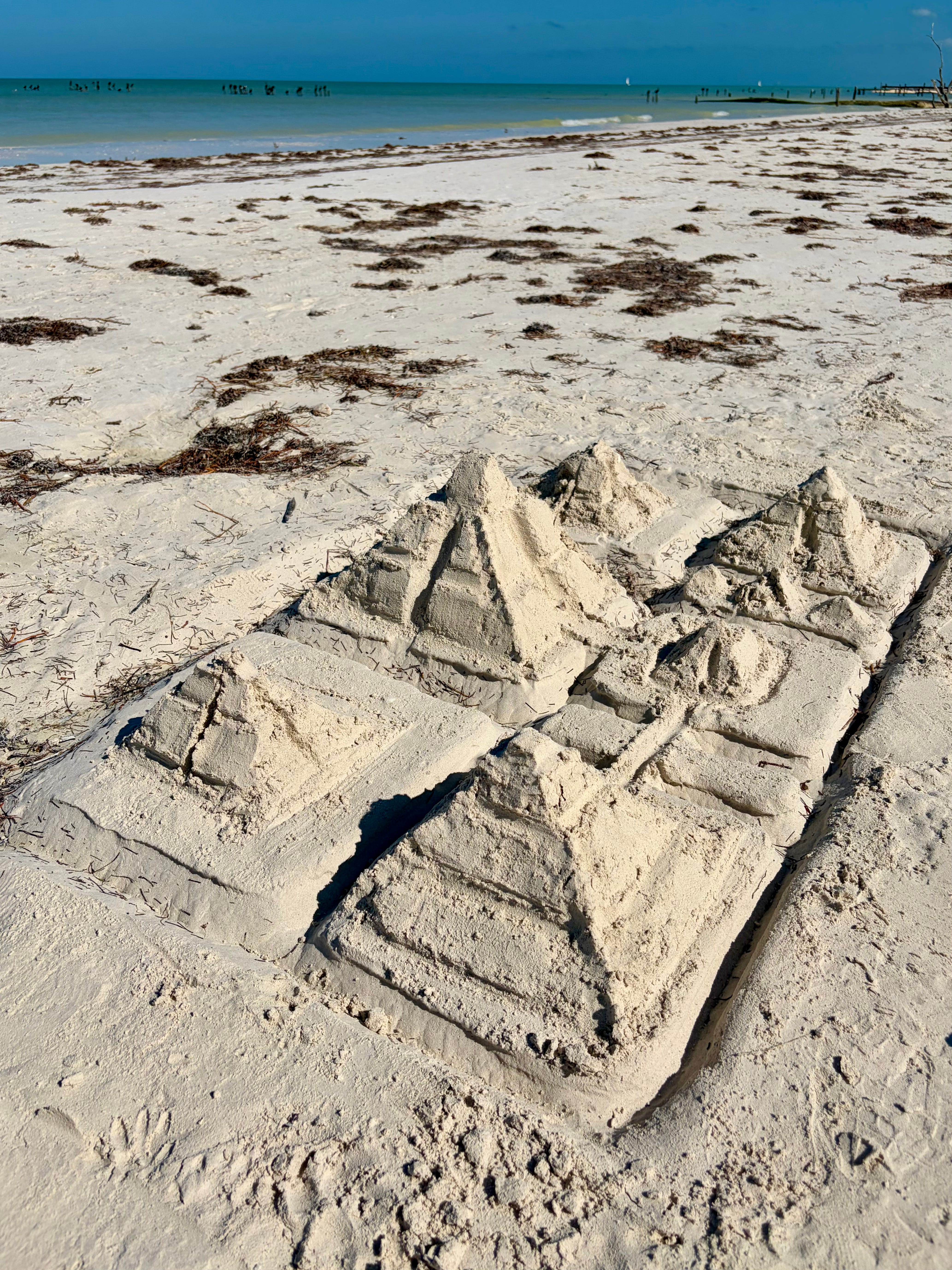
I am nobly born, but my father was a (minor) landowner, a hidalgo gentleman, who scraped by. I studied law at Salamanca, and learned enough to know how to manipulate it by finding the space between what is written and what can be done. I also figured out early that audacity overcomes pedigree.
The men I brought to this land numbered only in the hundreds. The natives, just in the area between Veracruz and Mexico City, numbered hundreds of thousands. We seemed outnumbered but what mattered was will, and most importantly, knowing that our enemies were divided and the empire we faced was held together by longstanding resentment and fear. I told my men that their loyalty would be rewarded.
The Enemy Within, Alliance of the Resentful
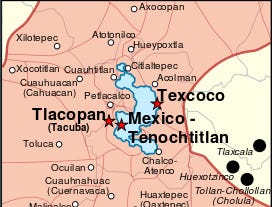
After an initial resistance, the native Totonacs of this coastal region greeted us with gifts, but also with grievances. They despised the Mexica of the central valley who demanded tribute, who took their children for sacrifice, who built their city on top of what was essentially a swamp. They came to see us as liberators, though we were nothing of the sort. I told them what they wanted to hear: that we would free them from tyranny. And they believed me, because people believe what they need to believe.
My translator, Malintzin, came to me as property, a gift from a coastal chief. But she was more valuable than gold and she would become my wife and first mother of the Mestizo people. She spoke Nahuatl and Mayan, and learned our language with great speed. She gave me a sense of her people…I spoke to them directly because of her skill.
Through her, I whispered into the ears of the discontented with my birdsong. Through her, I learned which cities hated the Mexica, which nobles nursed old wounds, and which subjects longed for the empire’s fall. Without her, I was a man shouting in a language no one understood. But with her, everyone heard my truths.
Like the Totonacs, the Tlaxcalans, just westward in the piedmont area, should have been my enemies. Their warriors were fierce and their city-state sat just outside of the central valley remaining independent of the Aztec Triple Alliance. But they hated the Mexica more than they loved their own sovereignty. For years, the Aztec empire waged ritual war against them, strangled them with blockades, and denied them salt and obsidian. They fought for survival and respect for a long time. So, I offered them revenge against their economic oppressors.
When we marched up from the low lands into the piedmont and toward Cholula at the base of the mountains of Iztaccíhuatl and Popocatépetl, I learned the Cholulans were plotting against us. Or perhaps they weren’t. “Intelligence” is a strange thing; it can be shaped to serve one’s purposes.
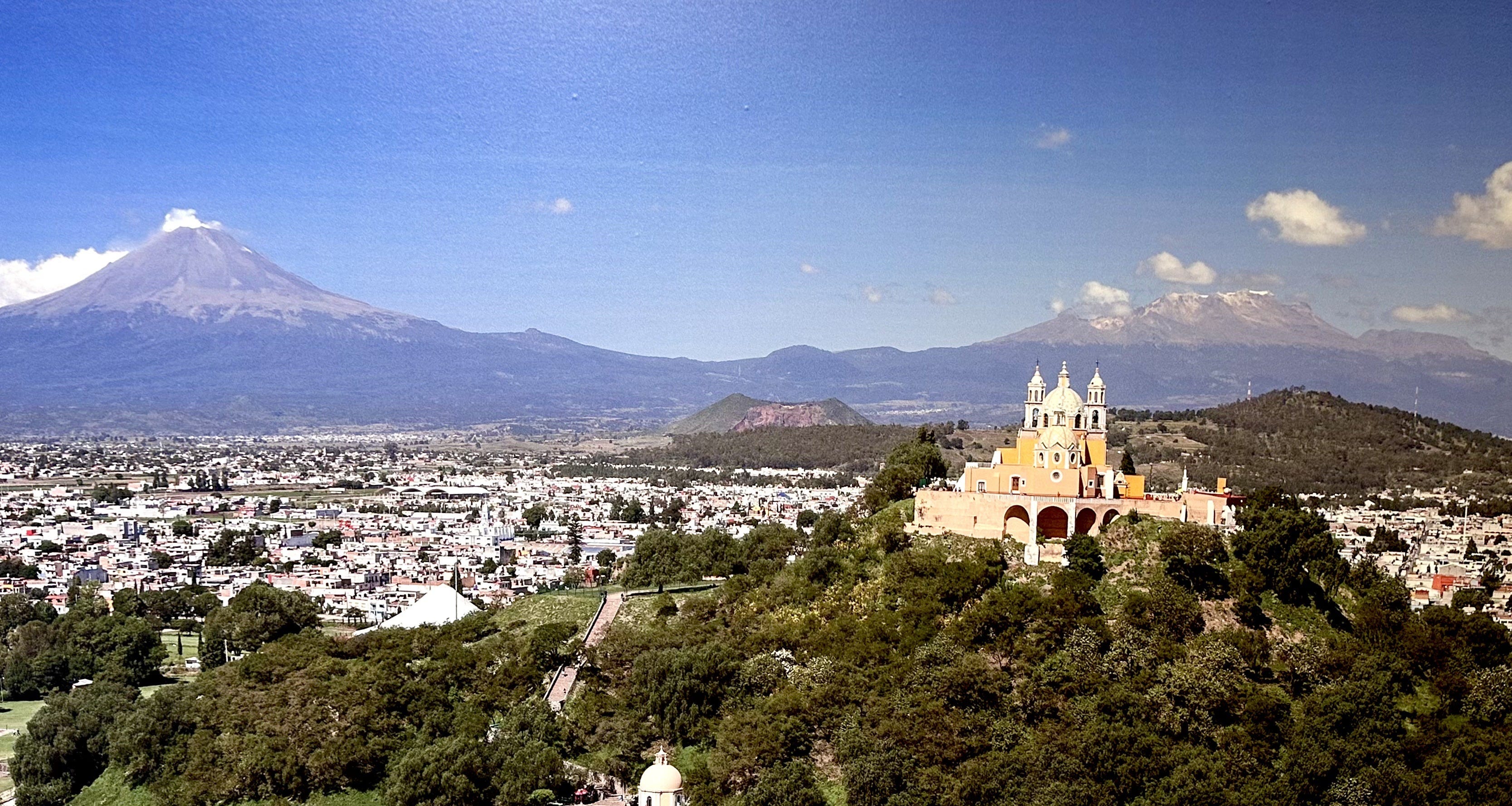
So we struck. We killed thousands and thousands of Cholulans in a matter of hours. My new Tlaxcalan allies, who hated Cholula from ancient rivalries almost as much as they hated the Mexicas, did much of the work. I simply gave them permission, pointed them at old enemies, and let their rage run loose. The city that had been one of Mesoamerica’s most important religious centers was devastated.


The story we told was simple: they had planned to ambush us. They wanted to steal our supremacy. We acted in self-defense. And who could prove otherwise? The dead tell no tales. I’m sure there were good people on both sides.
The Prophecy, Distracted by Faith
There were whispers as we approached the great city of Tenochtitlan where the Mexica reigned. Ancient stories told of the feathered serpent god Quetzalcoatl’s promised return after his departure to the east centuries ago. Some said he would come in the year One Reed which happened to be 1519 by the Christian calendar, arriving from the direction of the sunrise.
I am not Quetzalcoatl. I am a Spanish infantryman’s son with debts and ambition. But I did not correct this misunderstanding as this prophecy was to my advantage. Their faith helped mask my true intentions.
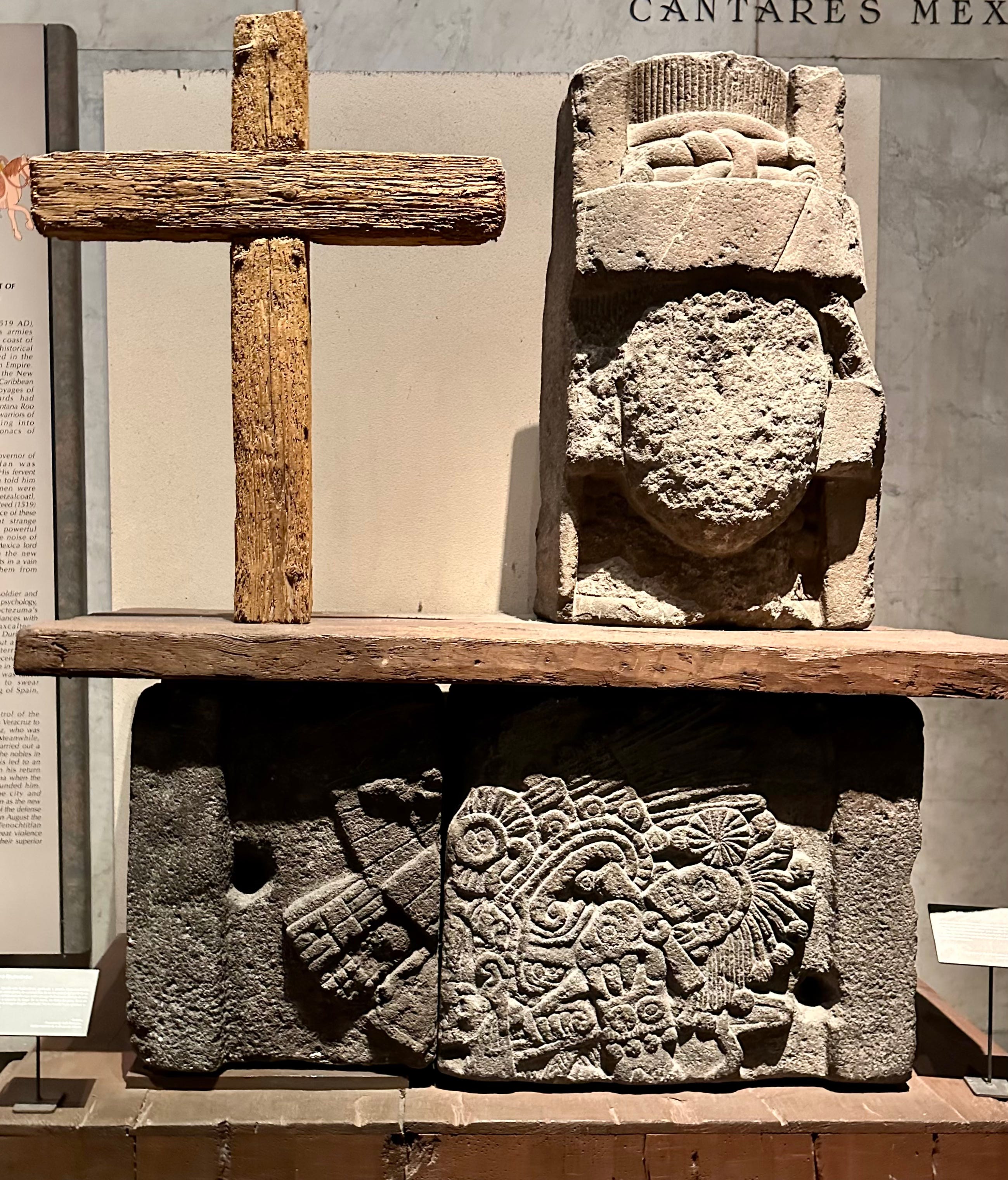
Moctezuma II himself seemed paralyzed by the possibility. This uncertainty bought me time and the opportunity to walk into the heart of their empire without facing the full force of their armies. And I encouraged the ambiguity. I wore my finest clothes when meeting delegations. I staged demonstrations of our cannons and horses, things they had never seen and seemed supernatural. My rallies were spectacles of great emotional, spiritual, and strategic importance.
The prophecy wasn’t true and perhaps some of my version isn’t either. But if people believe you are chosen, whether by their gods or yours, they hesitate to oppose you. And in that hesitation, you can accomplish what armies can’t accomplish through force alone.
The Final Fracture
When we reached Tenochtitlan, I would say Moctezuma II essentially welcomed us into the city. This was a fatal mistake. He thought he could control us through hospitality, ritual, and ancient forms of diplomacy. But I recognize no such things. Within days, we took him hostage in his own palace. We did it politely, with legal justifications about security and order, but duly unchecked.
The empire continued to function with their emperor as my captive. For months, the system ran on momentum, on bureaucracy’s unwillingness to acknowledge that power had shifted. The emperor issued orders, but they were my commands spoken through his mouth. The people wanted to believe their emperor was still their leader.
When other Spaniards finally came to arrest me, sent by the governor in Cuba, I left Tenochtitlan, marched a return path to the coast for battle, and convinced those remaining men sent to capture me to join me instead. I promised them gold and glory. I told them that I, not the governor sitting in Havana, represented the future. They followed the man who offered them a share in something great, even if that something was stolen.
When I returned to Tenochtitlan, the city was in rebellion. My lieutenant had massacred nobles during a religious festival, and now the Mexica drove us out. We lost half our men, most of our gold, and all our certainty. Any reasonable man would have retreated to the coast, sailed for home, counted himself lucky to be alive and removed himself from the savage nature of polity.
But I am not a reasonable man. Defeat means nothing if you refuse to acknowledge it.
So, I rebuilt my army with more Indigenous allies in exchange for privilege after success. We laid siege to the city for months. We cut off food and water. We let the smallpox do its work. We destroyed the aqueducts that brought fresh water, the very aqueducts built by the poet-king Nezahualcoyotl. They were impressive works that took decades to build, but they were gone in short order.


When Tenochtitlan finally fell in 1521, it fell completely. We tore down their temples. We built our new churches with the stones of their pyramids. We rewrote history and we erased inconvenient truths.
The people who helped me: the Tlaxcalans, the Totonacs, all those resentful subjects, they thought they had won their freedom. They learned soon enough that they had simply traded one empire for another.
Postscript
I am called a conquistador. But conquest is not done with swords alone. It is done with words and promises, with the manipulation of resentment and fear, and with the ability to make allies of your enemy’s enemies. The key to conquest is this: make the people complicit. Make people complicit, and they cannot turn back without acknowledging their own guilt. They are in too deep and their hope for the best goes unrewarded in the end.